Virginia Tech combines a striking campus aesthetic with a practical, research-driven mission, making it a standout for visitors, prospective students, and partners. From the signature stonework to a strong culture of hands-on learning, here’s a clear look at why the university draws attention across academics, student life, and community impact.
Campus and architecture: Hokie Stone and the Drillfield
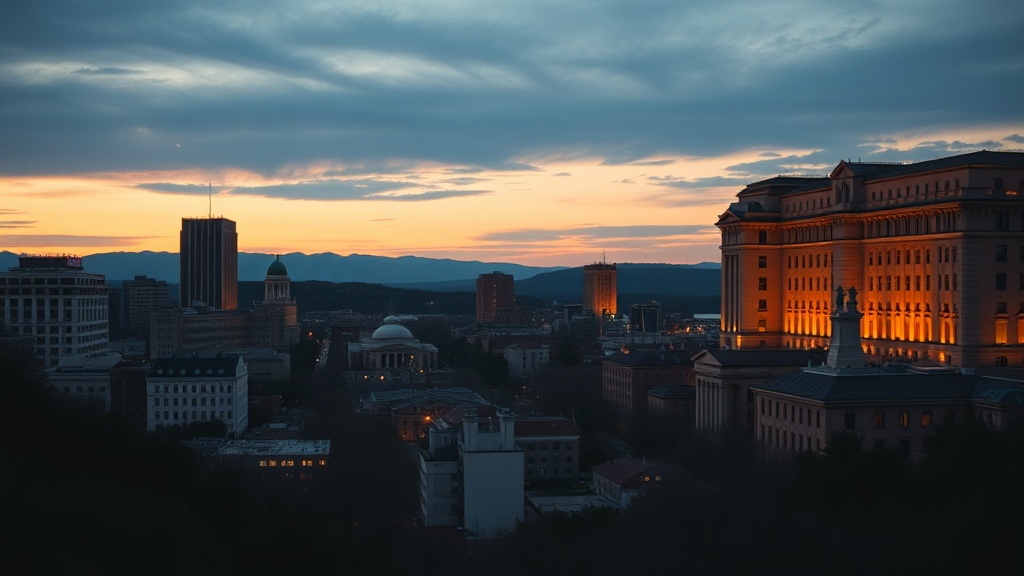
Virginia Tech’s campus is instantly recognizable for its local stone masonry, often called Hokie Stone, which gives academic buildings and quads a cohesive, historic feel. The central greenspace known as the Drillfield provides a natural spine for the campus and hosts student activity, impromptu study sessions, and seasonal events.
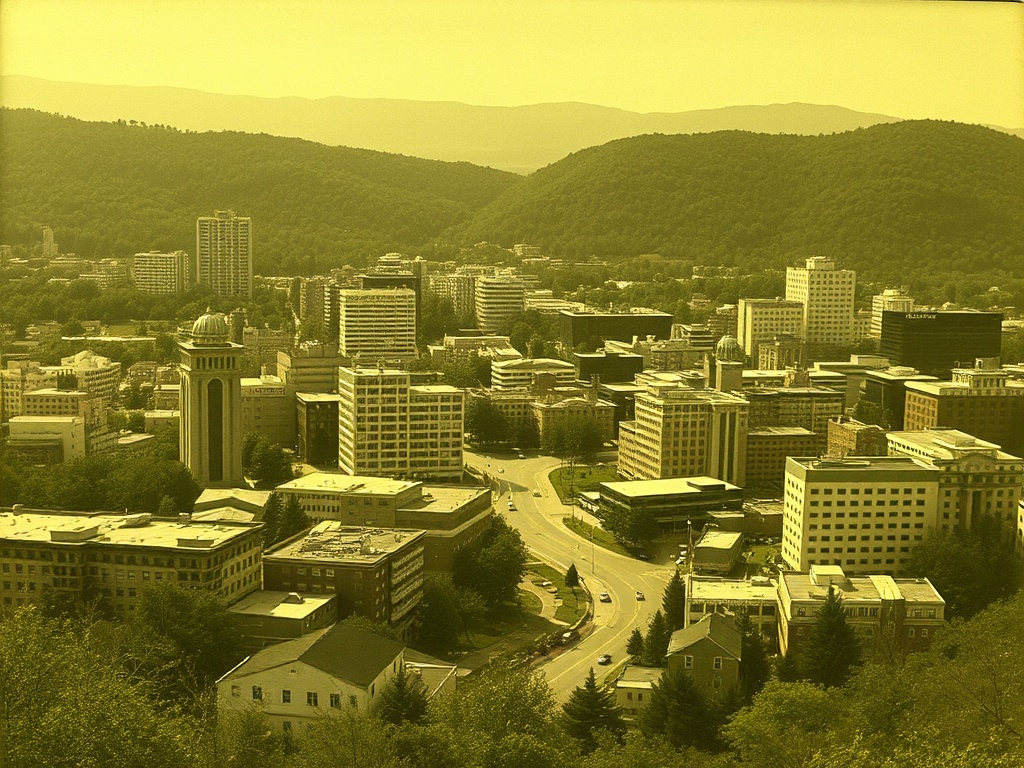
Architectural landmarks, memorials, and wooded walking trails blend to create a campus that feels both collegiate and connected to the surrounding landscape.
Academics and research strengths
The university maintains a broad portfolio of academic programs with particular strengths in engineering, computing, agriculture and life sciences, architecture, and business. Emphasis on experiential learning means undergraduates frequently engage in research projects, internships, and co-op programs alongside faculty. Interdisciplinary centers and partnerships with industry accelerate work in robotics, renewable energy, data science, and health innovation, helping translate campus discoveries into real-world solutions.
Student life and traditions
Student life is energetic and community-oriented.
A wide range of student organizations, performing arts groups, and club sports provide chances to lead, learn, and connect. Traditions—both large and small—cultivate school spirit and a sense of belonging. The Corps of Cadets offers a distinctive leadership-focused pathway for students interested in military and civilian leadership roles.
Athletic events, campus festivals, and student-run initiatives contribute to a lively social calendar that balances academics with life outside the classroom.
Sustainability and resilience
Sustainability is woven into campus planning and research priorities. Energy-efficiency upgrades, green building practices, and sustainable transportation options aim to reduce environmental impact while supporting resilience in the face of changing conditions. Academic programs and research projects frequently address climate adaptation, clean energy technologies, and sustainable agriculture, reinforcing the university’s role as a regional resource for environmental solutions.
Community and regional engagement
Situated within a vibrant college town atmosphere, the campus benefits from a close relationship with the surrounding community. Local businesses, arts offerings, and public events bring visitors and residents together.
Extension services and outreach programs extend expertise to farmers, schools, and local governments, reflecting a land-grant mission focused on public service and economic development.
Visiting tips
Visitors should set aside time to walk the central greens, admire the stonework, and explore campus museums and galleries. Guided tours and information sessions are useful for prospective students, while casual visitors will find coffee shops, galleries, and parks to enjoy. For those interested in academics, checking faculty profiles and research centers in advance helps prioritize what to see.
Why it matters
Virginia Tech’s combination of strong technical programs, hands-on learning, signature campus identity, and community engagement makes it more than a traditional university—it’s a hub for innovation and service. Whether the interest is academic, professional, or cultural, the campus offers a clear invitation to explore ideas, collaborate across disciplines, and participate in a lively student community.