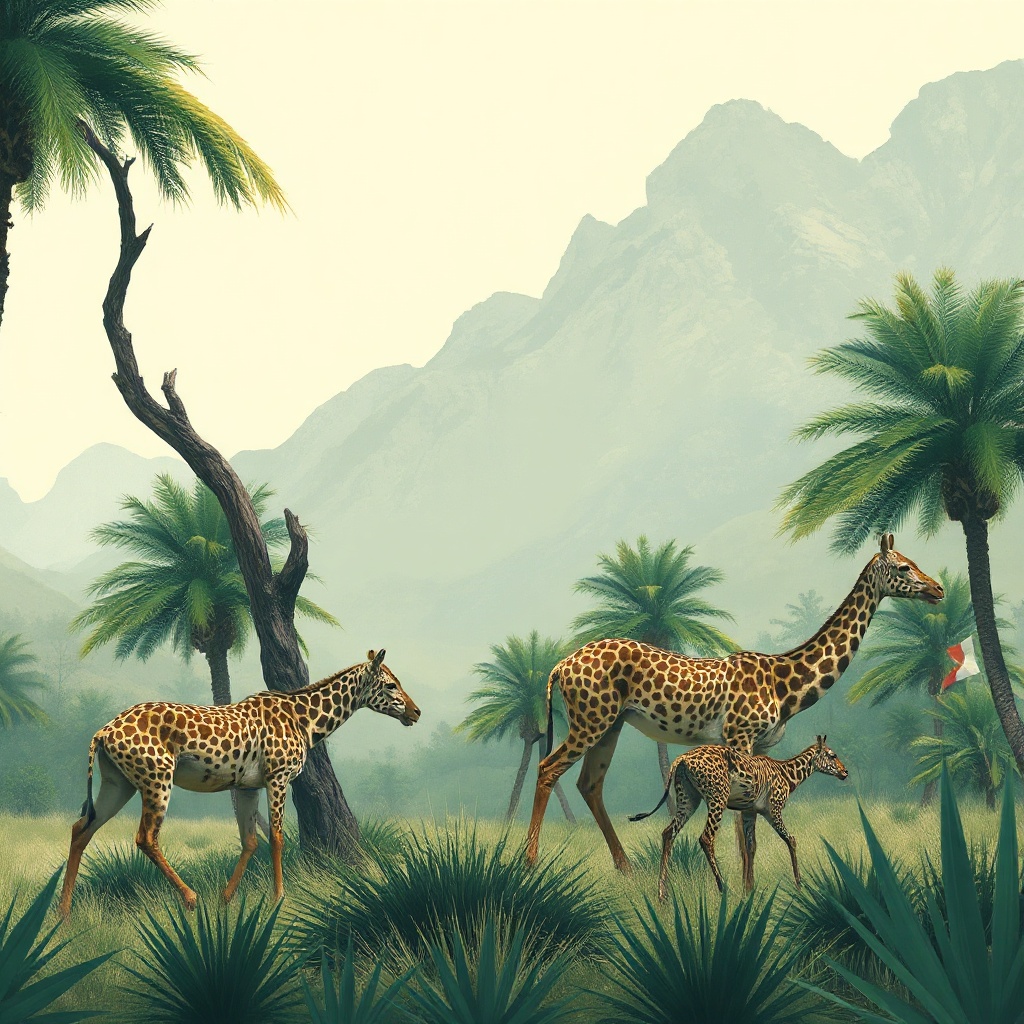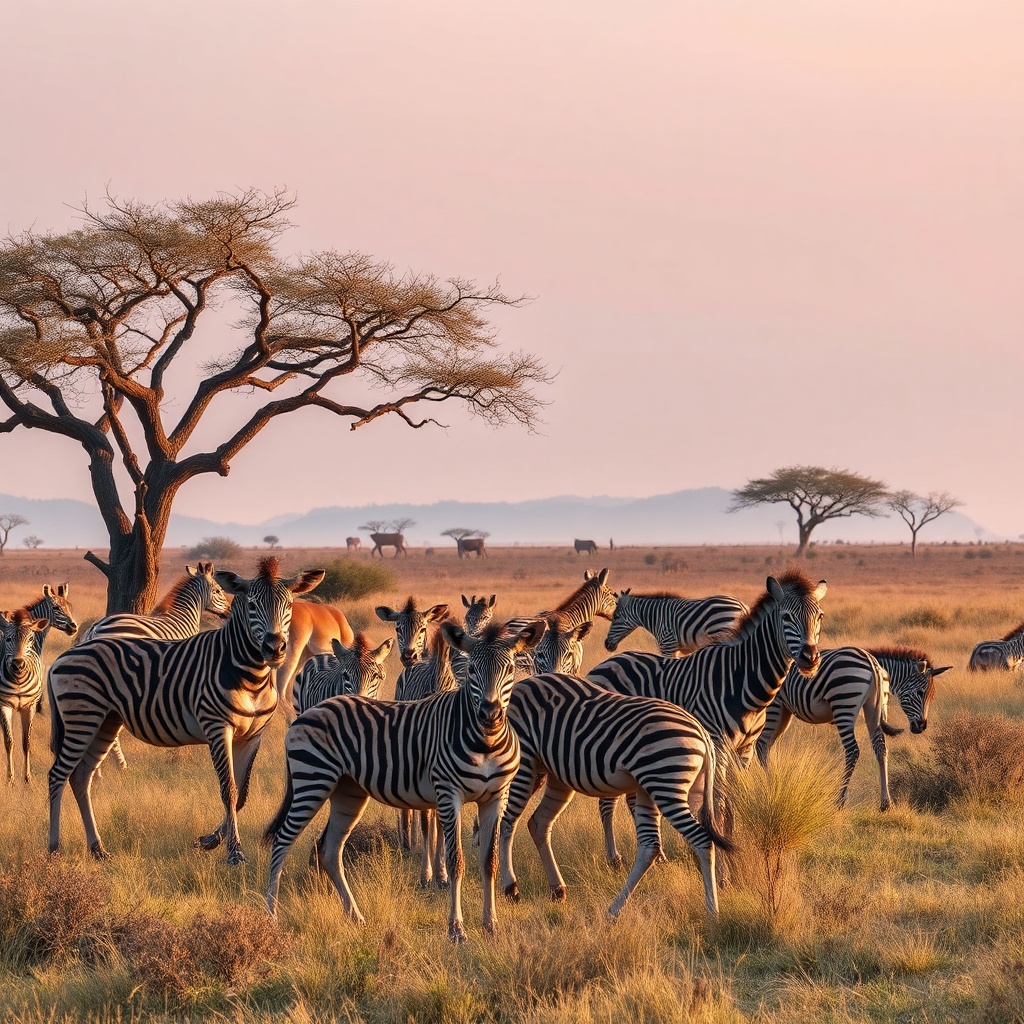
Savannahs are among the planet’s most productive and overlooked ecosystems. Characterized by open grasslands punctuated by trees or shrubs, these landscapes bridge forests and deserts and support a unique mix of wildlife, people, and ecosystem services. Understanding how savannahs function helps explain their resilience and the pressures they currently face.
What makes a savannah
Savannahs typically feature a continuous grassy layer with scattered trees or clumps of woody vegetation. Climate patterns—seasonal rains followed by dry periods—combine with soil types, fire, and herbivores to create and maintain this mixed structure. That balance fosters high primary productivity: grasses grow fast after rains, drawing energy into the system and supporting large populations of grazers and predators.
Biodiversity and ecological roles
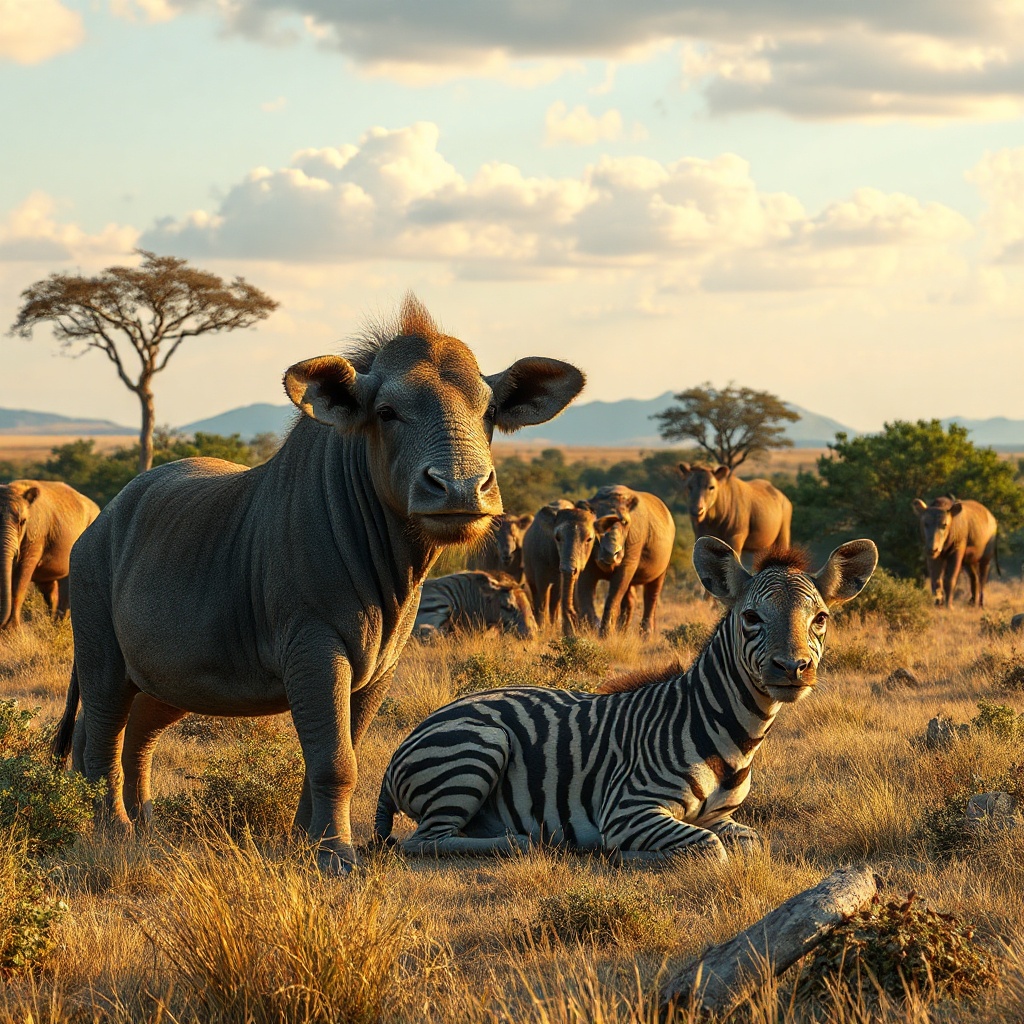
Savannahs host remarkable biodiversity. Large mammals such as grazers and browsers shape vegetation through feeding and nutrient cycling.
Small mammals, ground-nesting birds, pollinators, and soil microbes contribute to complex food webs and maintain soil health. Many plant species are adapted to survive drought and fire, resprouting from underground reserves. This adaptability makes savannahs crucial for pollination services, seed dispersal, and carbon storage—especially in soils and root biomass.
The importance of fire and grazing
Fire and grazing are not simply disturbances; they are essential ecological processes. Regular, low-intensity fires prevent tree encroachment, recycle nutrients, and stimulate fresh grass growth favored by herbivores. Large herbivores—from antelope to domestic livestock—create patchy grazing patterns that enhance plant diversity and habitat heterogeneity. Where either fire or grazing is suppressed, woody plants can become dominant, reducing biodiversity and altering water and carbon cycles.
Threats and human pressures
Savannahs face mounting pressures from land conversion, agriculture, and urban expansion. Fragmentation reduces habitat connectivity, making it harder for wildlife to migrate or access seasonal resources. Overgrazing and poorly managed fires degrade soils and reduce plant cover, increasing erosion risk. Invasive plant species can outcompete native grasses and transform ecosystem dynamics. Additionally, longer dry spells and shifts in rainfall patterns are altering growth cycles and increasing vulnerability to intense fires.
Conservation and sustainable use
Effective savannah conservation blends science with local livelihoods.
Community-led rangeland management, rotational grazing, and adaptive fire regimes can sustain productivity while protecting biodiversity. Protected areas remain vital, but landscape-scale planning that connects protected patches through corridors helps wildlife adapt to changing conditions. Restoration efforts often focus on reestablishing native grasses, controlling invasives, and protecting soil carbon through reduced disturbance.
Practical steps individuals can take
– Support conservation organizations that work with local communities to balance grazing and wildlife needs.
– Choose sustainably sourced beef and leather products that follow responsible rangeland practices.
– Learn about local fire management approaches and advocate for policies that favor controlled burns over blanket suppression.

– Promote ecotourism and local businesses that invest tourism revenue back into habitat protection.
Why savannahs matter
Savannahs provide food, fuel, and livelihoods for millions of people while sustaining iconic wildlife and vital ecosystem services. Preserving their dynamic balance—between trees and grass, fire and regrowth, grazing and rest—ensures resilience to environmental change.
By valuing traditional management practices alongside science-based restoration, it’s possible to keep savannahs productive, biodiverse, and beneficial for generations to come.