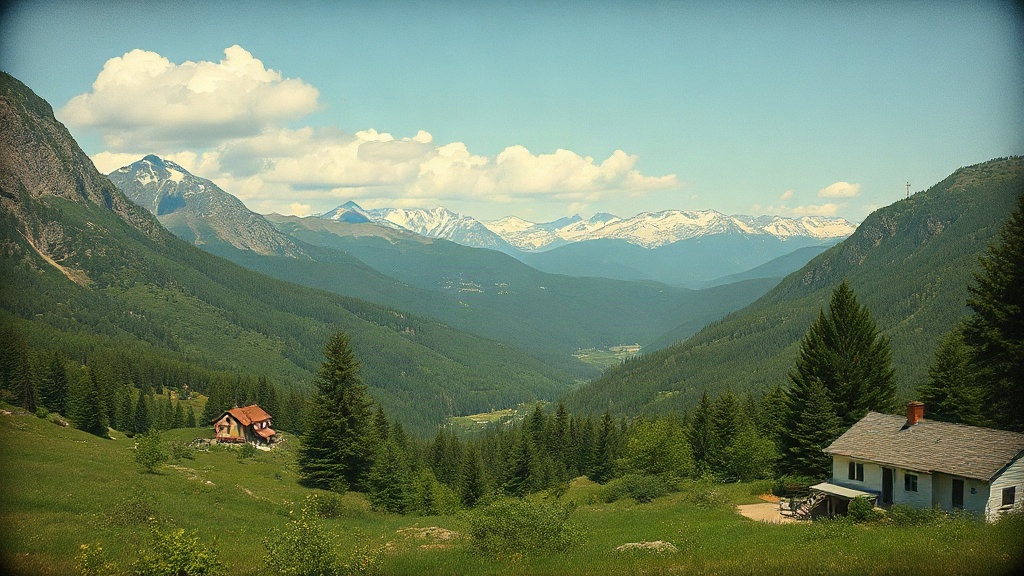
Virginia packs a surprising variety into a single state: sweeping Blue Ridge mountains, a living history corridor, vibrant coastal communities, and a growing technology and food scene.
Whether planning a weekend getaway or exploring longer, Virginia offers outdoor adventure, cultural depth, and a modern pulse that appeals to many travelers and residents.
Why Virginia draws attention
Virginia’s appeal starts with accessibility. Major airports and rail lines connect to both urban centers and rural escapes, making it easy to mix city museums with mountain trails or beach time. The state’s geographic range—mountains to sea—means scenic drives and diverse day-trip options are never far away.
Top experiences not to miss
– Shenandoah and Skyline Drive: Wind along the ridge for sweeping vistas, fall foliage, and countless trailheads. Hike to waterfalls, watch for wildlife, and plan sunrise or sunset stops for the best light.
– History with atmosphere: From colonial towns and restored plantations to Civil War battlefields and presidential homes, history here is immersive.
Living-history programs and well-preserved sites offer context and storytelling that bring the past to life.
– Coastal and Chesapeake Bay adventures: Virginia Beach delivers classic boardwalk energy, while smaller bayside towns emphasize local seafood, kayaking, and quiet beaches. Oysters and blue crabs are regional specialties—seek out restaurants that prioritize sustainable sourcing.
– Wine, cider, and craft beer trails: Vineyards dot the Piedmont and Shenandoah Valley, pairing scenic tastings with food-focused events. Craft breweries and cideries have also become fixtures, offering local twists on familiar styles.
– Cultural hubs: Charlottesville blends university life with arts and dining; Richmond’s riverfront and museum district show a dynamic mix of history and contemporary culture; Northern Virginia hosts theaters, galleries, and a bustling innovation economy tied to government and tech.
Outdoor tips and practical planning
Pack layers—mountain mornings and coastal afternoons can vary.

Popular parks get busy on weekends and holidays; aim for early arrival if you want solitude on popular trails. Bring a reusable water bottle and follow Leave No Trace principles to protect sensitive habitats. If driving the parkways, fuel up and check mobile coverage; some scenic areas have limited service.
Food and local flavors
Virginia’s culinary scene balances tradition and innovation.
Coastal towns serve seafood plates straight from the bay; farm-to-table restaurants highlight seasonal produce and local meats; downtown neighborhoods feature chefs experimenting with global flavors. Farmers’ markets are a reliable way to sample local honey, cheeses, and seasonal produce.
Where culture meets growth
Economic and cultural growth in many regions has expanded arts programming, festivals, and markets without losing local character. Historic downtowns now host contemporary galleries and boutique shops, creating neighborhoods that reward slow exploration on foot.
A few practical notes
Plan lodging in advance for peak travel periods. Public transportation options in metro areas reduce the need for a car, but rural and mountain destinations are easiest to reach by driving. Check local event calendars when scheduling a visit—festivals and special exhibitions can transform a routine trip into a memorable experience.
Virginia invites curiosity: explore a battlefield one day, sip a vintage at a mountaintop vineyard the next, then unwind along the shoreline. With striking natural scenery, layered history, and evolving food and cultural scenes, it’s a place that rewards both first-time visitors and repeat explorers.